What industries benefit the most from prefab metal buildings?
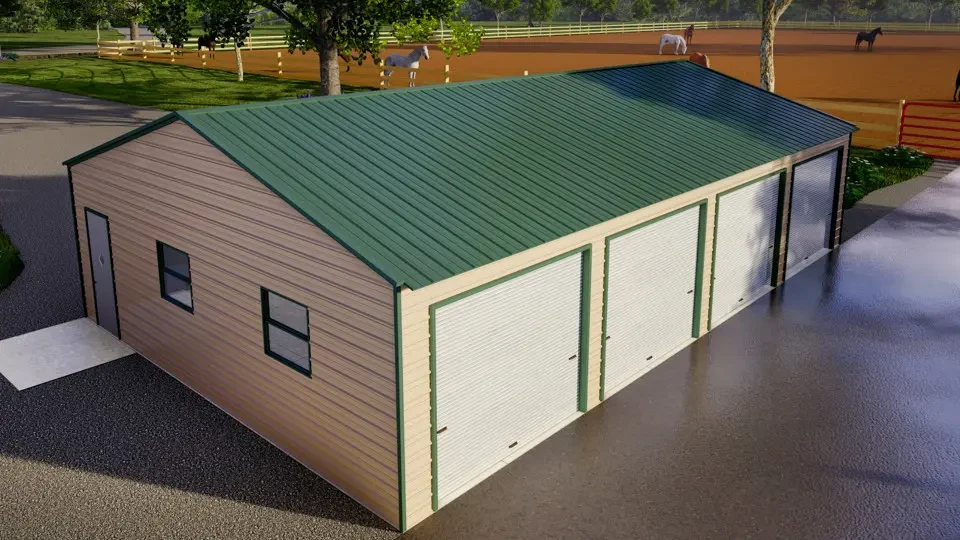
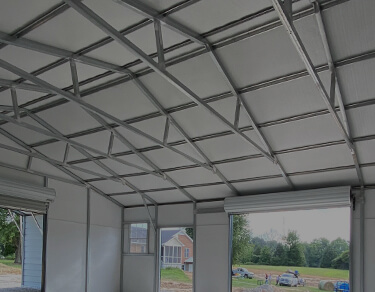
A Prefabricated metal building, or “prefab,” is a top-notch solution for projects because it can be used for various applications, such as mini storage units, workshops, and commercial buildings. Prefabricated steel structures are a category of building assembled with standardized components of steel frame, such as columns, beams, purlins (wall and roof), galvanized steel sheets for the roof and wall, and various accessories (gutters, trim, galvanized steel bracing cables, roof ridge vents, etc.), made and assembled following technical design drawings.
The Industry Benefits of Prefab Metal Buildings: A Game-Changer for Modern Construction
A prefabricated building is a unique practice in which the various building elements are manufactured under factory-controlled conditions and then shipped to the building site for assembly and finishing. Prefabrication is more efficient than conventional on-site construction because it has a controlled production setting. Most buildings have monotonous elements such as walls, roofs, and floors, allowing for a more streamlined production cycle—especially in structures like a metal garage. This process enables continuous quality improvement and optimization of production activities.
The three main stages of Prefab metal buildings are:
- Design
- Production and components
- Installation at the construction site
The materials needed to construct a prefab steel building are prepared at the factory, only with dimensions and quantities, allowing transportation and construction to be carried out very quickly.
What benefits do Prefabricated Buildings offer?
With activity splitting between off-site and on-site areas, project scheduling and costs are more easily controllable, subject to good project management. Off-site fabrication offers the advantage of optimized assembly-line efficiencies. In addition, the shift toward environmentally friendly and sustainable construction holds major market prospects for prefabricated structures. Both the non-residential and residential sectors will likely witness market share growth in the future.
Benefits of Prefabricated Buildings:
- Cost-effectiveness
- Speedy Construction
- Scalability and Future Expansion
- Durability and Longevity
Here are the most beneficial industries for prefab metal buildings:
1. Warehousing And Construction
Construction businesses and warehouses need vast, open spaces with the strength to handle heavy loads and the flexibility to accommodate varied layouts. Prefab metal buildings are perfectly suitable, which is why they are a favorite among:
- Equipment Storage: Metal buildings provide a safe and sturdy place for heavy equipment, tools, and supplies.
- Workshops: Contractors use prefab buildings in workshops where construction materials are assembled or fabricated.
- Warehouses and Distribution Centers: Supply chain and logistics businesses need huge, column-free spaces for storage and distribution, and metal buildings are ideal for this purpose.
Benefits
- Rapid construction time minimizes downtime.
- Long-lasting, weather-resistant materials extend lifespan.
- Flexibility to easily configure layouts according to various storage requirements.
2. Healthcare & Emergency Services
Hospitals and emergency departments require quick, efficient, and lifelong answers for their buildings.
- Medical Clinics & Health Centers: The prefab buildings can be installed immediately to offer medical services.
- Fire Stations and Police Departments require sufficient space for vehicles and staff, and metal structures are an excellent option.
- Crisis Shelters: Prefab metal buildings are utilized by disaster relief groups for emergency shelter and storage.
Benefits
- Resistant and fireproof against natural disasters.
- Quickly adaptable to specialized healthcare or emergency gear.
- Rapid construction enables prompt response time.
3. Education & Government Buildings
- Portable Classrooms: Metal buildings are utilized by schools for temporary or permanent classrooms.
- Training Centers: Police forces and military services establish training facilities in prefabricated metal structures.
- Municipal Buildings: Post offices, along with town halls and community centers, commonly opt for metal buildings since they offer affordable solutions.
Benefits
- Rapid installation to address pressing needs.
- Long-lasting and low-maintenance.
- Flexible for multiple applications, ranging from education to administration.
4. Agriculture and farming
- Barns and Equipment Storage: Barns, together with Equipment Storage facilities, function to shield cultivated tools and farming machinery from adverse climate elements.
- Livestock Shelters: Fabricated metal shelters operate as barns and stable facilities to protect livestock.
- Feed Storage: Metal buildings help maintain the reliability of stored crops and feed, preventing decay.
- Greenhouses: Controlled environments can be quickly established using prefab structures.
Benefits
- Resistant to pests, fire, and extreme weather.
- Cost-effective alternative to traditional barns.
- It can be expanded as farming operations grow.
5. Retail and commercial spaces
These buildings also offer money-saving benefits, faster construction, durability, and flexibility to retail and commercial industries, making them a captivating replacement to traditional construction methods.
- Retail Centers: These buildings are perfect for shopping malls and retail centers.
- Restaurants & Breweries: Craft breweries and restaurants use metal buildings to develop apparent industrial-chic environments.
- Office Spaces: Small business owners find prefab metal offices a sustainable option for professional space.
Benefits
- Low up-front cost with high returns.
- Exteriors can be customized to suit the brand’s look.
- Eco-friendly insulation reduces operating costs.
6. Manufacturing & Industrial
Manufacturing plants and industrial operations need large, open spaces for assembly lines, storage, and employee work areas. Metal buildings fit perfectly due to their:
- Personalized Designs: Such buildings may be customized to meet unique production needs.
- Heavy-Duty Structure: Metal building structures demonstrate heavy-duty construction, as they effectively support the weight of industrial machinery.
- Ease of Amplification: Businesses can scale operations by extending prefab structures without significant downtime.
Benefits
- Open-floor designs accommodate heavy equipment.
- Lower maintenance costs compared to traditional buildings.
- Energy-efficient insulation helps in reducing the cost of heating and cooling.
7. Sports & Fitness Facilities
The combination of fitness and recreation makes use of metal buildings because these structures offer sufficient room for multiple indoor sports activities.
- Fitness Centers: Open architectural designs of metal buildings establish ideal spaces for exercise areas and sports training centers.
- Sports Arenas & Indoor Courts: Sports Arenas and indoor courts serve as facilities that house basketball courts, as well as multi-purpose sports complexes.
- Community Centers: Community event venues depend on prefabricated metal structures for their central areas in their building.
Benefits
- Large column-free spaces provide open play areas.
- It can be designed to accommodate specific sports or activities.
- Cost-effective compared to traditional construction.
Why Do These Industries Choose Prefab Metal Buildings?
- Energy-efficient materials for lower operational costs.
- Fast construction & lower costs compared to traditional buildings.
- Robust & weather-resistant for long-term use.
- Personalised layouts for various business needs.
Conclusion
Prefabricated metal buildings offer unmatched advantages in various industries, such as agriculture, manufacturing, aviation, healthcare, and retail. At Bulldog Steel Structures, pre-fabricated metal facilities enable economical construction, making them simple to build, and serve as suitable solutions for environmentally friendly business structures. The design of prefabricated metal buildings revolutionizes business operations by transforming storage areas, operational spaces, and customer-accessible areas, making them a smart financial option for future growth.
Also Read – Can prefab metal buildings be transformed into micro homes?
FAQs
What industries benefit the most from prefab metal buildings?
Prefab metal buildings are widely used across industries such as agriculture, manufacturing, healthcare, retail, warehousing, education, and sports facilities due to their durability, flexibility, and cost-effectiveness.
Why are prefab metal buildings popular for warehouses and construction businesses?
They offer large, column-free spaces, quick installation, and strong structural support, making them ideal for storage, workshops, and distribution centers.
Are prefab metal buildings suitable for healthcare and emergency services?
Yes, prefab metal buildings can be quickly installed and customized for clinics, emergency shelters, fire stations, and other critical facilities, ensuring fast response times and reliable infrastructure.
How do prefab metal buildings benefit agricultural operations?
They provide durable and weather-resistant solutions for barns, livestock shelters, equipment storage, and feed storage while being more cost-effective than traditional structures.
Can prefab metal buildings be customized for retail and commercial use?
Absolutely. Prefab metal buildings can be designed to match brand aesthetics, making them ideal for retail stores, offices, restaurants, and commercial spaces.
What are the key advantages of prefab metal buildings over traditional construction?
Prefab metal buildings offer faster construction, lower costs, energy efficiency, scalability, and long-term durability, making them a smart investment for growing businesses.
delivering & installing
throughout
the united states
Bulldog’s metal barns, garages, and carports are available for delivery and installation in most of the U.S. Whether you’re a homeowner in Maine, a rancher in Texas, or a small business owner in California, you’ll get to-your-door delivery and professional installation, so your building will be sturdy and reliable for years to come.
See Service Area