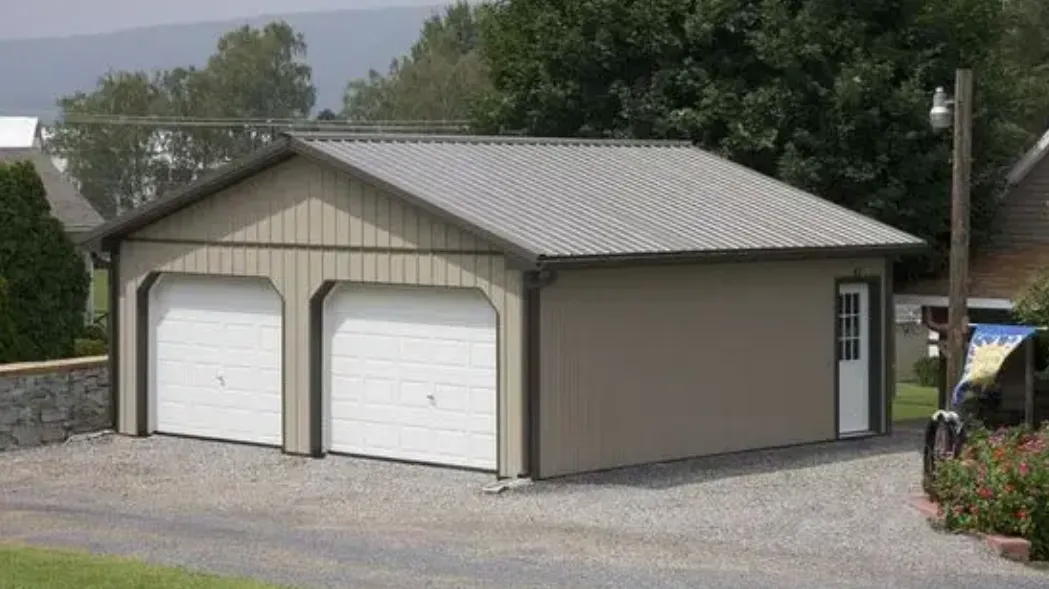
The Prefab Micro Home movement has gained significant popularity over time, as more people seek budget-friendly and simple living solutions. Prefab micro homes offer sustainability through efficient and minimalist living, as they represent a movement that lasts longer than expected. Prefab metal buildings can be easily converted to micro homes, also known as ‘ Tiny Homes’, because of their innovative and creative approach.
Introduction to Prefab Micro Homes
Prefab micro homes are designed for functionality and efficiency. These homes, including options like mini cottages, tiny prefab homes, and Custom Metal Buildings, offer flexibility, durability, and affordability, making them a perfect investment for those seeking a stylish and budget-friendly housing option. As the demand for sustainable housing continues to rise, many people are choosing these modern solutions over traditional construction.
Also Read – Are You Making These 5 Metal Garage Mistakes? (Most Homeowners Do)
Why should you choose Prefab Metal Buildings for Micro Homes?
Adaptability
As housing prices continue to increase, primarily in urban areas, many people struggle to afford traditional homes. Without affecting quality, micro homes offer budget-friendly and easy-to-opt-for spaces.
Environmental Protection
Properties with reduced dimensions have a lower environmental impact. Due to their environmentally friendly outlook, millennials select homes that minimize waste production, along with energy use, and reduce their general ecological impact. The environmental mindset of these consumers leads them to pursue waste minimization, together with lower energy usage and a smaller ecological footprint.
Cost-effective solution
Micro homes provide affordable solutions that enable most individuals to save the costs they would spend on traditional buildings. Due to their compact nature, they consume less energy for heating, cooling, or lighting.
Flexible convenience
Prefab micro homes provide easy access to work and transportation and offer different lifestyles, locations, and purposes. Their unique designs give customizable features adaptable to various uses, such as residential spaces or guesthouses.
Low-waste lifestyle
Micro prefab homes naturally promote minimalism. Residents prioritize essential items and reduce clutter. By choosing quality over quantity and reducing unnecessary purchases, micro homes contribute to low waste.
Affordable living options
Prefab Micro homes offer cost-effective options, allowing homeowners to reduce the expense of conventional building. In addition, they are compact, which minimizes bills since they consume less energy for heating and cooling. This cost-effectiveness enables micro homes to reach a broader consumer base, making it feasible to own a home without the financial strain associated with conventional homes.
Fast construction and minimized construction time
Traditional construction takes months or even years to build, but micro homes need less time and can be set up quickly. They are set up with minimal disruption, making them ideal for those looking to launch a residence soon. Micro homes can be installed without harming the environment or surrounding areas, making them suitable for sensitive locations.
Steps to choose the right prefab micro home
- Budgetary and customization opportunities
- Durability and quality of construction
- Determining space requirements and use
- Investing in available models and choices
Pros of micro homes
- Less utility consumption
- Less expenses
- Easy maintenance
- Unique and individual
- Simpler life
Cons of micro homes
- Reduce living space
- Limited entertainment capability.
- Less storage space
- Zoning rules
Types of prefab micro homes
These come in various types, each micro home designed as per the homeowner’s needs and preferences. Here are the common types of prefab micro homes:
Prefab metal micro homes:-
Prefab micro homes are a cost-effective solution for secondary housing on lots or in residential backyards. They can be used as accessory dwelling units, offering a self-contained residence for family members or providing rental income. These houses optimize limited space, making them a great choice in high-demand property areas.
Modular micro homes:-
Modular micro homes are factory-built residences designed for efficiency and functionality. They can be partially or fully constructed in a factory. This reduces construction time and cost while allowing for high-level customization.
Key features:
- Highly customizable
- Can expand over time
Cabin micro homes:-
Cabin-style micro homes are designed with functionality in mind. For those who like the charm of rustic retreat, cabin micro homes offer a traditional look with modern prefab convenience. They are often made of wood materials, making them blend naturally into wood or rural environments.
Key features:
- It can include wood stoves, lofts, and large windows.
- Rustic wood or log-style micro homes.
Shipping container homes:-
These are made by repurposing steel shipping containers as residences. These homes are very durable and weatherproof as they reuse materials that already exist. They may be stacked or built in creative configurations, which makes it possible to achieve interesting, contemporary looks. The industrial look and low price are the most common reasons people opt for shipping container houses.
Key features:
- Weather resistant
- Modular and creative designs
Dome-shaped prefab micro homes:-
Micro homes with dome-shaped designs are gaining popularity due to their innovative structures and stable resistance against severe weather. The dome structure facilitates near-complete energy efficiency by reducing wind drag while allowing natural sunlight to heat the space. Dome-shaped housing demonstrates strength through lightness, making it suitable for areas that experience hurricanes or earthquake events.
Key features:
- Resistant to extreme weather, including hurricanes
- Energy efficient with passive solar heating
Yurt micro homes:-
Yurt homes are round, tent-like dwellings with a contemporary prefab spin. Historically utilized by nomadic cultures, they are eco-friendly, easy to assemble, and portable, making them a popular choice for glamping retreats and minimalist living.
Key features:
- Circular shape for better air circulation.
- Energy efficient for solar power and wood stoves.
Innovative Design ideas for choosing the prefab micro homes
The process of purchasing prefab micro homes offers an exciting adventure that provides multiple design options, helping customers identify their ideal housing type. Your home style determines how comfortable your house will be, while also affecting its functionality and energy efficiency, regardless of your living goals.
Choose the correct prefab micro home type.
There are numerous prefab micro home styles, and choosing the correct one depends on your taste, surroundings, and lifestyle.
Hot picks:
- Shipping container homes – Cost-effective, industrial, and simple to stack.
- Prefab micro homes – Strong, fireproof, and sleek looking.
Emphasize natural light and ventilation.
Lighting a room properly makes both its dimensions appear larger and its spaces more welcoming. Adequate windows, combined with skylights, enhance the ambiance of the environment and reduce the need for artificial illumination.
Hot picks:
- Utilize glass doors and skylights to maximize natural light.
- Include ventilation systems such as ceiling fans and cross-ventilated windows to improve airflow.
Conclusion
The prefab metal micro home is an attractive, budget-friendly, and flexible option for tiny home owners. With the expertise of Bulldog Steel Structures, proper planning, insulation, and interior finishes can transform these buildings into chic and efficient micro homes with the potential to last for decades.
- Long-lasting and cost-efficient.
- Energy efficient and eco-friendly.
- Flexible to suit modern living.
FAQs
1. Can a metal garage be converted into a micro home?
Yes, a metal garage can be converted into a micro home with proper insulation, ventilation, plumbing, and interior finishing.
2. Are prefab metal micro homes durable?
Prefab metal micro homes are highly durable and can last decades due to their strong steel structure and resistance to pests and weather.
3. How much does it cost to convert a prefab metal building into a home?
Costs vary depending on size, customization, and interior work, but they are generally more affordable than traditional home construction.
4. Do prefab micro homes require permits?
Yes, most areas require permits and must follow zoning regulations before converting a metal building into a living space.
5. Are prefab micro homes energy efficient?
Yes, due to their smaller size and modern insulation techniques, they consume less energy for heating and cooling.
6. Is a metal barn building suitable for a micro home conversion?
Absolutely. A metal barn building offers enough space and structural strength to be converted into a comfortable and functional micro home.
What Our Customers Are Saying
I'm really happy with the way my building turned out! Due to living in city limits I had to make changes to my original plan but working with Bryan made it easy. He was great to work with!
Corey Evans
Bulldog Steel Structures is fantastic. We had a 24'x40' garage built with two 10' garage doors, an entry door, two windows and fully insulated for under $16,000. The whole experience was so easy. Our salesman was Bryan Valadez. Bryan was so helpful and was easily available to answer my questions. Rebekah Aldridge handled all the documents and signing of them. The whole process was great. The building is well constructed and the crew that erected it were courteous and cleaned the worksite afterwords thoroughly. They did an excellent job in a time efficient period. Our experience with Bulldog Steel Structures was just great and we highly recommend them.
Mattie Roberts
I'm in early stages, just put deposit on building. I reviewed about 10 quotes and worked with many vendors in the space to assess. Constance from Bulldog Steel Structures made the experience fabulous and was key in our decision making. It's so refreshing to see a company like this have such outstanding client facing service. We are excited and huge shout out to Constance and the team. Bravo!
Max Escuder
I have purchased two structures/buildings from them and have been greatly satisfied. From "idea to implementation" it has gone smoothly. I love the idea of having one single point of contact (Noah) for any questions or concerns. The install crew comes in and gets right to work and the quality is the best I have seen. Highly Recommend!
Ron Barnes
I worked with Bryan Valadez in putting together my bids for a 2000 SF shop/garage. He was great to work with, very quick to respond and answered all my questions and concerns during several very thorough conversations regarding my project. I recommend you give Bulldog a shot when searching for your next building, their pricing was very good compared with some of the others, and they just seemed to have it very together for their process. Great Job, thanks Bryan. Jason
Jason Ford
Showed up on time and excellent quality. Could not be more pleased with the results!
Drew Hood
I called and spoke to Bryan. With some back and forth he helped me finalize the design (40x100 foot print). I placed my order and had to wait for my King County building permit to be issued. Once the slab was completed the installation team arrived with all the pieces. They got right to work and the building was completed in 8 days !!! I would highly recommend Bryan and Bulldog to any one :) Many thanks john in the pacific northwest
John Marcus
Great company to do business with. Would recommend them to others.
Webster Smith
Great to deal with. Building went up with no problems.
Florida Chapter POCI
I had a great experience with Bulldog Steel Buildings. The representatives were able to help me move from the online design to an actual building design to meet my goals. They set up the delivery and installation which turned out great. Installation was scheduled quickly after the foundation was done; and the building was completed within 2 days. Pricing was reasonable, and I'm very pleased with my new building.
David Grover
Bryan was great- honest, helpful, responsive and knowledgeable. I will call him if I ever need another steel building
Allan Brown
This company is the real deal. They go over and beyond to satisfy their customers. It is a joy to work with them. They are very knowledgeable and efficient. I looked forward to finishing my project with them.
David Thomas
Humberto was very responsive and it was a pleasure to work with. He went above and beyond to get delivery scheduled as soon as possible for our 30x50 building. Great company to work with.
Kelly Heckel
Hey folks - these people at Bulldog are real. Noah helped me all the way through - extremely patient and knowledgeable. He answers most often and when he doesn't it's easy to get another HUMAN to speak with. I looked at several companies for this project - I settled on the right one. If you wind up doing business with Brian - you're in luck there to. Outstanding work - worthy of trust.
Randall Drew
I purchased a 26x32 Garage from Bulldog Steel Structures they had it finished in two days. It looks really nice and the install crew was great. I’m thinking of getting another building and I will definitely contact Bryan Valadez again at Bulldog.
Kris Phillips
Great experience from start to finish. The sales process was easy and Casey helped me revise my plans several times to get the right building for my needs. Communication was excellent! The build crew was on time, friendly and professional. Beto took the time to understand what cutouts I needed and why I needed them in the sizes planned. Exceptional work. Highly recommend. Thank you!
Damon Trim
I would recommend Bulldog Steel Structures highly. They are very professional and accommodating. Want to give special thanks to Randall Hall and also matt preslar. They were very accommodating and helping me fill out paperwork and handling things when a timely basis. The building we were very satisfied with and the installers also were very polite and had things done on a timely basis. Thanks again Randall and Matt you`ve got my five star rating
Shirley M.
Bulldog has been great to work with. They explained everything from beginning to end. I live in the mountains of New Mexico and the staff made sure that my garage had the right support needed for this area of the country. I would highly recommend them for anyone building a new carport or gaeage!
Bruce J.
Good design tool on their website. Great customer service.
John S.
Have had nothing but a positive experience with Bulldog! Bryan was super helpful and still is after our install! He still responds super prompt and helpful. No complaints about our structure, as it looks amazing! Installers did a great job and picked up very nicely after they were done. Highly recommend!!
Kristie S.
I have now had my building in place for 3 months and I want to say that the whole team at Bulldog was very helpful throughout the entire process. My salesperson, Matthew, was extremely responsive. He was very helpful with the design phase, where we went back and forth with 3-4 different designs before settling on the perfect one. He always got back to me right away when I had a question. Although the delivery was delayed, understandable with the pandemic, he helped interface with Carolina Carports when I had delivery questions. So far I have no issues with the completed building. No leaks and all the doors are functioning perfectly. I would highly recommend using Bulldog for all your metal building needs.
Mike W.
Frank Rangel was very helpful and respectful. Also very understanding. I was pouring a concrete driveway and trying to put my down payment down. I may of got a little frustrated in the middle of it all. I could see the smile on Frank`s face the whole time! Thank you sir!
Jason M.
This is my second building from bulldog and I`m buying the same building , just different colors. They are great buildings that are strong and economical.
Parke H.
Excellent customer service during my order process, answered all my questions and they were very patient.
Jack D.
The website was very flexible and helped me customize my carport. The Bulldog staff was very prompt and helpful throughout the process.
Dale & Karen W.
Put up a RV cover for me on a concrete pad. Turned out great and the guys cleaned up after the work. Very satisfied. Would recommend these people.
Dan and Linda I.
I love my “She Shop.” It was amazingly easy. I sent an email, made 2 phones calls and it was done. The installation went even easier. Three guys showed up one day and finished the next. They were polite and cleaned up after themselves. My husband’s friends are all very impressed with the construction and materials used but were amazed at the reasonable price. I could not be more pleased. Thank you
DTheressa J.
I visited their website and used the 3D estimator and was able to see my building with doors, window placements, colors,and overall look. When you add or change any feature, including size, you can immediately see the result and change in price (if any). You can rotate the structure to see the overall look and framework. Once I placed my order, it was quickly and efficiently handled and the cost was lower than the estimate on the website The installers showed up early one morning and by noon the next day they had completed the structure. Everyone that comes by remarks on how nice it looks. I am very pleased with every aspect from ordering to installation.
David T.
Delivering & installing throughout the United States
Bulldog’s metal barns, garages, and carports are available for delivery and installation in most of the U.S. Whether you’re a homeowner in Maine, a rancher in Texas, or a small business owner in California, you’ll get to-your-door delivery and professional installation, so your building will be sturdy and reliable for years to come.