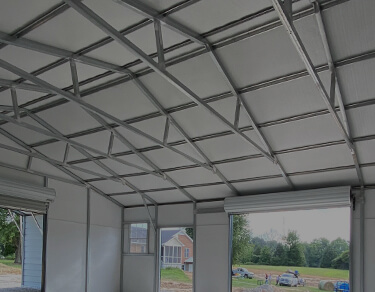
30×40 Metal Building: Sizes, Uses & Configurations Guide
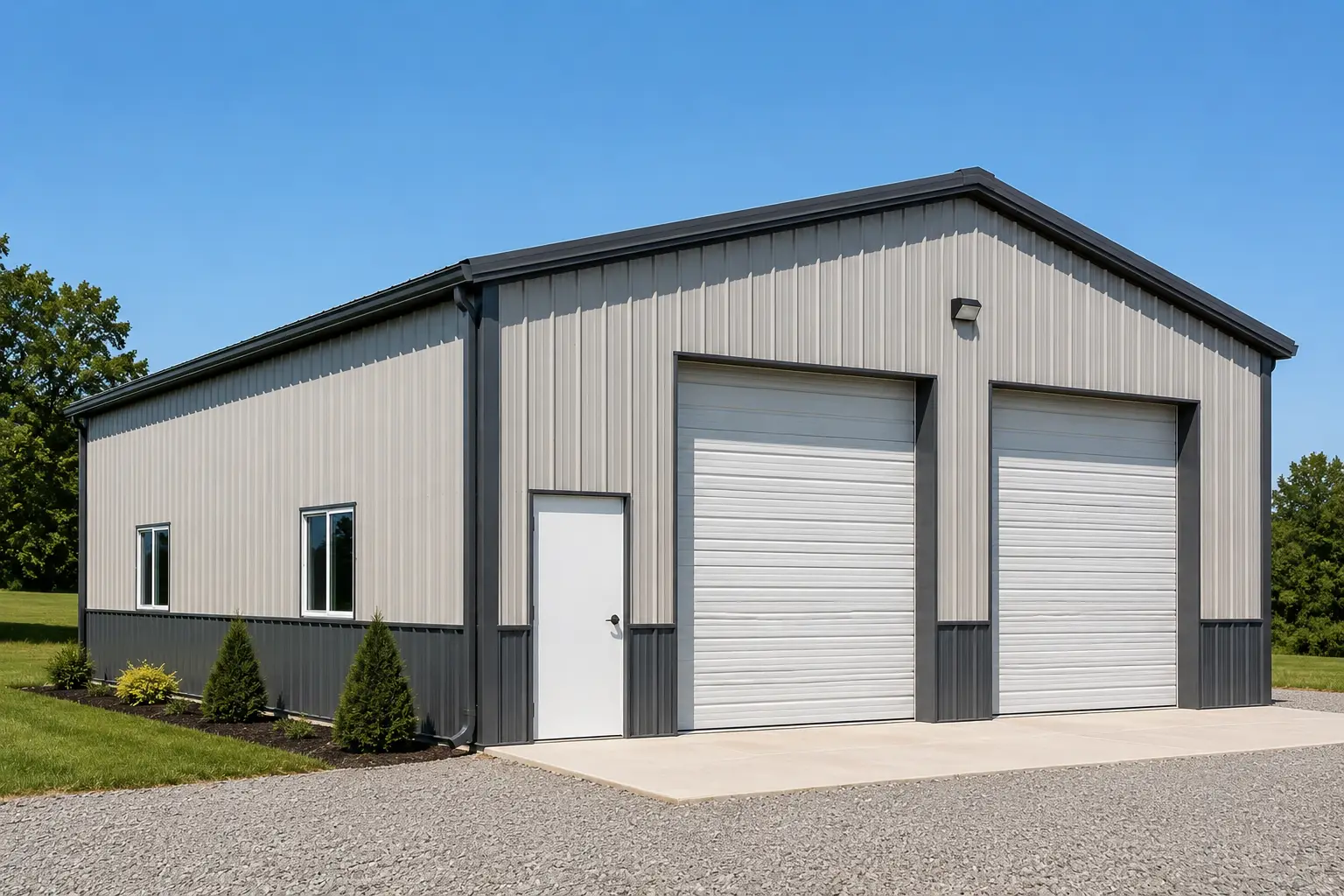
A 30×40 metal building provides 1,200 square feet of usable space, large enough for a serious workshop, 3-car garage, agricultural storage, small-business shop, or compact barndominium. It’s one of the most popular metal building sizes we sell because it’s substantial without being commercial-scale, and the proportions work for an enormous range of uses.
If you’re thinking about a 30×40, this guide covers everything you need to know: what fits inside, the best uses for this size, common configurations and customisations, height options for different vehicles, foundation requirements, and how to get an accurate quote for your specific build.
What Fits in a 30×40 Metal Building?
With 1,200 square feet of floor space and a 30-foot clear span (typically no centre support posts), a 30×40 can comfortably accommodate a wide range of vehicles, equipment, and living configurations. Here’s what realistically fits:
|
Configuration |
What Fits |
Notes |
|---|---|---|
|
3-car garage |
3 standard vehicles side by side |
9-10 ft per vehicle with walking space |
|
2-car garage + workshop |
2 vehicles + 12-15 ft workshop area |
Most popular residential layout |
|
1 RV + workshop/storage |
Class B or C RV + dedicated work area |
Requires 12-14 ft leg height |
|
3 trucks/large vehicles |
3 full-size pickups |
Comfortable with a 24-ft width for vehicles |
|
Barndominium |
~600 sq ft living + ~600 sq ft shop |
Common 50/50 split for combo builds |
|
Agricultural storage |
Tractor, hay storage, equipment |
Single open layout or partitioned |
|
Workshop only |
Multiple workstations + tool storage |
Full 1,200 sq ft as one shop |
|
Small commercial shop |
Service bays, customer area, office |
Permits are often required for commercial use |
|
Boat storage + vehicle |
Boat on trailer + 1 vehicle |
Tall enough for most boats with masts |
|
Hobby/man cave + 2 cars |
2-car parking + 12 ft hobby space |
Popular among car enthusiasts |
The flexibility is what makes 30×40 so popular. The same building can serve completely different purposes depending on how you configure the interior, doors, and customisation options.
9 Best Uses for a 30×40 Metal Building
Here are the most common ways our customers use 30×40 metal buildings. Each use has slightly different configuration recommendations.
1. Three-Car Residential Garage
The 30×40 is one of the most popular sizes for a three-car residential garage. Three standard vehicles fit side by side with room for walking and door clearance. With 40 feet of depth, you have plenty of room for tool storage, workbenches, or seasonal items behind the vehicles.
2. Two-Car Garage With Workshop
Many homeowners use a 30×40 as a combination of a two-car metal garage and workshop. The vehicles take up roughly half the width (about 18-20 feet), leaving 10-12 feet of width for a dedicated workshop area along one side. This is the most popular residential layout we install.
3. Workshop or Hobby Space
As a dedicated workshop, 1,200 square feet gives you serious room. Multiple workstations, full-size tools (table saw, mitre saw, drill press), lumber storage, finished work staging, and air compressor space all fit comfortably. Add insulation and climate control for year-round use.
4. Agricultural Storage
On farms and ranches, a 30×40 works as substantial covered storage for tractors, hay equipment, ATVs, trailers, and feed. The clear-span interior lets you arrange equipment however works best. Many agricultural buildings skip the concrete slab and use gravel or compacted earth instead.
5. Barndominium
A 30×40 makes a compact, efficient barndominium. Common layouts include a 50/50 split (600 sq ft living + 600 sq ft shop), a 60/40 split (more living space), or a 40/60 split (more shop). For a single person or couple, this size delivers a complete living space plus a dedicated workshop without commercial-scale costs.
6. RV Storage Plus Workshop
With a depth of 40 feet and tall leg heights (12-14 feet), a 30×40 fits a Class C or smaller Class A RV cover, with room left for tools, workshop space, or a second vehicle. Many RV owners use this size to consolidate RV storage and a workshop in one structure.
7. Small Business Shop
As a commercial shop space, 30×40 works for auto repair (2-3 bays), a small machine shop, custom fabrication, a woodworking business, or a contractor base of operations. Add a small office area and a customer-facing entrance, and you’ve got a functional small business location.
8. Boat Storage With Workshop
For boat owners who want secure year-round storage plus a place to work on their boat, a 30×40 provides space for a boat on a trailer plus a full workshop. Tall doors and 12+ foot ceilings handle most recreational boats with the trailer or stand.
9. Man Cave or She Shed (Larger Version)
A 30×40 can serve as a serious hobby or entertainment space, large enough for a workshop side, a sitting/entertainment side, a bathroom, and even a small kitchenette. Add insulation, HVAC, and finished interior walls for a polished space that functions as an extension of your home.
|
Design Your 30×40 in 3D See exactly what your 30×40 will look like with doors, windows, colours, and height options before you order. |
Common 30×40 Configurations
Once you know how you’ll use the building, you’ll need to configure the doors, openings, and interior layout. Here are the most common configurations we install.
Three-Car Garage Configuration
Three garage doors across the 30-foot front (one per vehicle bay), typically 9×8 or 10×8 doors. One walk-in door for everyday access without opening a garage door. Sometimes a window or two for natural light. Vertical-roof design is standard for this size.
Two-Car Garage + Workshop Configuration
Two garage doors on the 30-foot front (for vehicles), one large workshop door on the side wall (10-12 ft wide for equipment), one walk-in door, and 2-3 windows for natural light in the workshop area. This layout keeps vehicle and workshop activities separated.
Workshop-Only Configuration
One or two large doors (12-14 ft wide for equipment access), 2-4 windows for natural light, a walk-in door, and possibly a smaller second equipment door at the rear for through-access. Higher ceilings (10-14 ft legs) for crane access or tall equipment.
Agricultural Configuration
Open-ended or large barn doors (often 14×14 ft or larger for tractor access), minimal windows, and frequently no concrete foundation. Standard or boxed-eave roof works for hay storage; vertical is better for equipment to keep the weather off.
Barndominium Configuration
Insulated walls and roof, multiple windows in the living section, a residential entry door, often a porch or covered patio extension, one or two garage doors on the shop side. Requires more careful planning around plumbing, electrical, and HVAC routing.
Commercial Configuration
Multiple commercial-grade overhead doors for vehicle access, a customer entrance with appropriate signage support, possibly a small office partition, and ADA-compliant accessibility features depending on local code requirements.
30×40 Height Options and Recommendations
Leg height is the most overlooked decision when ordering a 30×40. Standard heights work for most vehicles, but you’ll want to plan for what you might own in the future.
|
Use Case |
Recommended Leg Height |
Notes |
|---|---|---|
|
Standard cars and SUVs only |
8-9 feet |
Most residential garages |
|
Full-size trucks |
9-10 feet |
Comfortable for most pickups |
|
Lifted trucks (3-6 inch lift) |
10-12 feet |
Includes camper shell, roof rack clearance |
|
Workshop with overhead crane |
12-14 feet |
Allows clearance for hoists and lifts |
|
Class B RV or van |
12 feet |
Most camper vans fit |
|
Class C RV |
13-14 feet |
Including AC units and roof equipment |
|
Class A RV |
14+ feet |
Often requires a custom height |
|
Tractor with cab |
12-14 feet |
Depends on tractor specs |
|
Boat with mast/T-top |
Varies |
Measure your specific boat first |
As a general rule, size up rather than down on height. You can’t easily add height later, and the cost difference between an 8-foot and 10-foot leg is much smaller than the cost of rebuilding.
What Affects the Price of a 30×40 Metal Building
The price of a 30×40 metal building varies based on several factors. Here’s what matters most when budgeting your build.
Construction Type
Tube-frame (box-tube) construction is most common for 30×40 builds and is significantly cheaper than red-iron (I-beam) construction. Red-iron only makes sense for unusual load requirements or commercial uses with maximum clear-span demands.
Steel Gauge
14-gauge is standard for tube framing; 12-gauge (heavier) is an upgrade worth considering for severe weather areas, larger building heights, or maximum long-term durability.
Roof Style
Vertical-roof construction is strongly recommended for any building 30 feet wide or longer, including every 30×40. Vertical panels shed water, snow, and debris better than horizontal-panel regular or A-frame roofs.
Customization
The biggest variable. Doors (number, size, type), windows, insulation, custom colour choices, wainscoting, gable ends, and overhangs all add to the cost. A bare-bones 30×40 is significantly cheaper than a fully customised one, but adding features later costs more than including them upfront.
Leg Height
Taller legs cost more but typically not proportionally. Going from 9-foot to 12-foot legs is a moderate upgrade; going from 9-foot to 14-foot legs is a significant one because the additional height also requires heavier framing.
Foundation
A concrete slab is the recommended foundation for most 30×40 builds and is typically a separate cost handled by you or a local contractor. Gravel pads cost less and work for agricultural or storage uses. Site prep (clearing, levelling) costs depend entirely on your land.
Location and Delivery
Delivery distance from the manufacturer adds to cost; sites further from manufacturing facilities pay more. Local building codes may also require specific wind-load or snow-load certifications that affect build specs.
Permits and Engineering
Most 30×40 buildings require permits. Some jurisdictions require certified engineering drawings that may add cost. Talk to your local building department early to understand what you’ll need.
|
Get an Accurate 30×40 Quote. Customise your size, doors, height, and features. See your real price with all options and financing or rent-to-own. |
Foundation Options for a 30×40 Metal Building
Your foundation choice depends on how you’ll use the building, your budget, and your local code requirements.
Concrete Slab
The strongest and most permanent foundation. A poured concrete slab provides secure anchoring, supports heavy vehicles and equipment, allows finished interior installation, and is often required for permitted residential and commercial buildings. The most common choice for garage, workshop, and barndominium uses.
Gravel Pad
A compacted gravel pad costs significantly less than concrete and works well for agricultural storage, equipment cover, and basic shelter uses. Anchors can still be installed properly. Gravel doesn’t work well for finished interiors or anywhere you want a sealed floor.
Partial Concrete
Some customers do a concrete pad for half the building (the garage/workshop area) and gravel for the other half (storage or equipment area). This balances cost with functionality.
Soil/Ground Installation
For very basic agricultural use, a 30×40 can be installed directly on flat compacted soil with proper anchoring. This is the cheapest option but typically isn’t permitted for residential use and isn’t recommended for buildings you want to last 50+ years.
Permits and Code Considerations
A 30×40 metal building almost always requires a permit. Here’s what to expect.
- Most jurisdictions require building permits for any structure over a certain square footage threshold (often 200-400 sq ft)
- Wind-load ratings may be required, especially in hurricane and high-wind regions
- .Snow-load ratings are required in snow-country areas (typically 30+ lb/sq ft minimum)
- Setback requirements from property lines, easements, and utilities vary by location.
- HOA approval may be needed if you’re in a covenant-controlled community
- Commercial use typically has stricter requirements than residential
- Barndominium / living-quarters use triggers residential building code requirements (electrical, plumbing, HVAC standards)
A reputable dealer can provide certified engineering drawings stamped for your specific region. Get these specs before you order so the building meets your local code requirements.
Frequently Asked Questions
How big is a 30×40 metal building?
A 30×40 metal building is 30 feet wide by 40 feet long, totalling 1,200 square feet of usable floor space. This is one of the most popular sizes because it accommodates 3 standard vehicles, a substantial workshop, agricultural storage for multiple pieces of equipment, or a compact barndominium with living quarters. The clear-span interior (typically no centre support posts) gives maximum flexibility for arranging the space.
How many cars fit in a 30×40 garage?
A 30×40 garage comfortably fits 3 standard vehicles side by side with room for walking space and door clearance. If you have a 30-foot front with three garage doors (one per bay), each vehicle gets about 10 feet of width, enough for full-size pickups, SUVs, or sedans. For two vehicles with workshop space, you’d typically get about 18-20 feet of vehicle area and 10-12 feet of dedicated workshop area.
Can a 30×40 metal building be a barndominium?
Yes, a 30×40 makes a compact and efficient barndominium. Common layouts include a 50/50 split (600 sq ft living + 600 sq ft shop) or any other ratio you prefer. For a single person or couple, this size delivers a complete living space plus workshop without commercial-scale costs. You’ll need to plan for residential electrical, plumbing, HVAC, and insulation to meet residential code requirements.
How much does a 30×40 metal building cost?
The cost of a 30×40 metal building varies widely based on construction type, steel gauge, roof style, customisation, leg height, foundation, and your location. Because every build is different, the most accurate way to know your specific price is to request a custom quote with your exact specifications. A good quote itemises the base building, every add-on, delivery, and installation separately.
Does a 30×40 metal building need a permit?
In most areas, yes, a 30×40 metal building requires a building permit due to its size. Permit requirements vary by city, county, and state, and may include specific wind-load and snow-load engineering certifications. Always check with your local building department before ordering. A reputable dealer can provide the certified stamped engineering drawings you’ll need for permitting.
What kind of foundation does a 30×40 need?
Most 30×40 metal buildings sit on a poured concrete slab, which is the strongest and most permanent foundation option. Concrete provides secure anchoring, supports heavy vehicles and equipment, and is often required for permitted buildings. Agricultural and basic storage buildings sometimes use gravel pads for lower cost. The foundation choice affects price, durability, and which anchoring system can be used.
How long does it take to build a 30×40 metal building?
Once you place an order, manufacturing typically takes a few weeks. After delivery to your site, professional installation usually takes a few days. The full timeline from order to finished building is typically 4-8 weeks, significantly faster than the months it would take to build a comparable wood-frame structure.
Can I insulate a 30×40 metal building?
Yes, 30×40 metal buildings can be fully insulated and are commonly insulated when used as workshops, garages with climate control, or barndominiums. Insulation options include spray foam, batt insulation, and insulated metal panels. Insulating during the original build is significantly cheaper than retrofitting later. If you’ll heat or cool the space, insulation is essential.
What’s the difference between a 30×40 and a 30×50 metal building?
A 30×40 has 1,200 square feet; a 30×50 has 1,500 square feet, 300 additional square feet (about 25% more space). The extra 10 feet of length lets you add more workshop area, fit a larger RV with extra storage, or accommodate two RVs end-to-end. The cost difference is significant but smaller per square foot than upgrading the width.
Can I get a 30×40 metal building with no credit check?
Yes, rent-to-own programs let you get a 30×40 metal building with no credit check. You make a small first-month payment, take delivery, and pay monthly until you own it. This makes a 30×40 accessible to buyers with limited or poor credit, and it requires significantly less upfront money than traditional purchase or bank financing.
Is a 30×40 Right for You?
Before you commit to a 30×40, take an honest look at your needs:
- How much space do you actually need today and in 5-10 years?
- What vehicles or equipment will you store under it?
- Will you use it as a workshop, storage, living space, or a combination?
- Do you have room on your property plus required setbacks?
- What does your local building department require for this size?
- What’s your realistic budget, including foundation and site prep?
If a 30×40 fits your needs, you’re looking at one of the most versatile, popular, and best-value metal building sizes available. It’s substantial enough to be genuinely useful for serious projects, but not so large that it becomes commercial in scale.
At Bulldog Steel Structures, we deliver 30×40 metal buildings across the country in a range of styles, gauges, and configurations. Whether you need a 3-car garage, custom workshop, or agricultural storage, our team helps you spec exactly what you need. We also offer financing options and rent-to-own programs with no credit check to make a quality 30×40 affordable for any budget.
Ready to start? Use our 3D estimator to design your exact 30×40, or request a free quote, and we’ll walk you through every option.
|
Get Your Free 30×40 Quote Today. Custom sizes, professional installation, financing, and rent-to-own options available. No commitment, no pressure. |
delivering & installing
throughout
the united states
Bulldog’s metal barns, garages, and carports are available for delivery and installation in most of the U.S. Whether you’re a homeowner in Maine, a rancher in Texas, or a small business owner in California, you’ll get to-your-door delivery and professional installation, so your building will be sturdy and reliable for years to come.
See Service Area