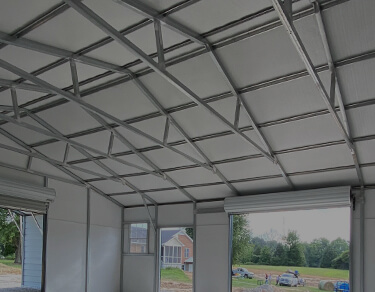
Metal Garage vs Wood Garage: Which Is Better in 2026?
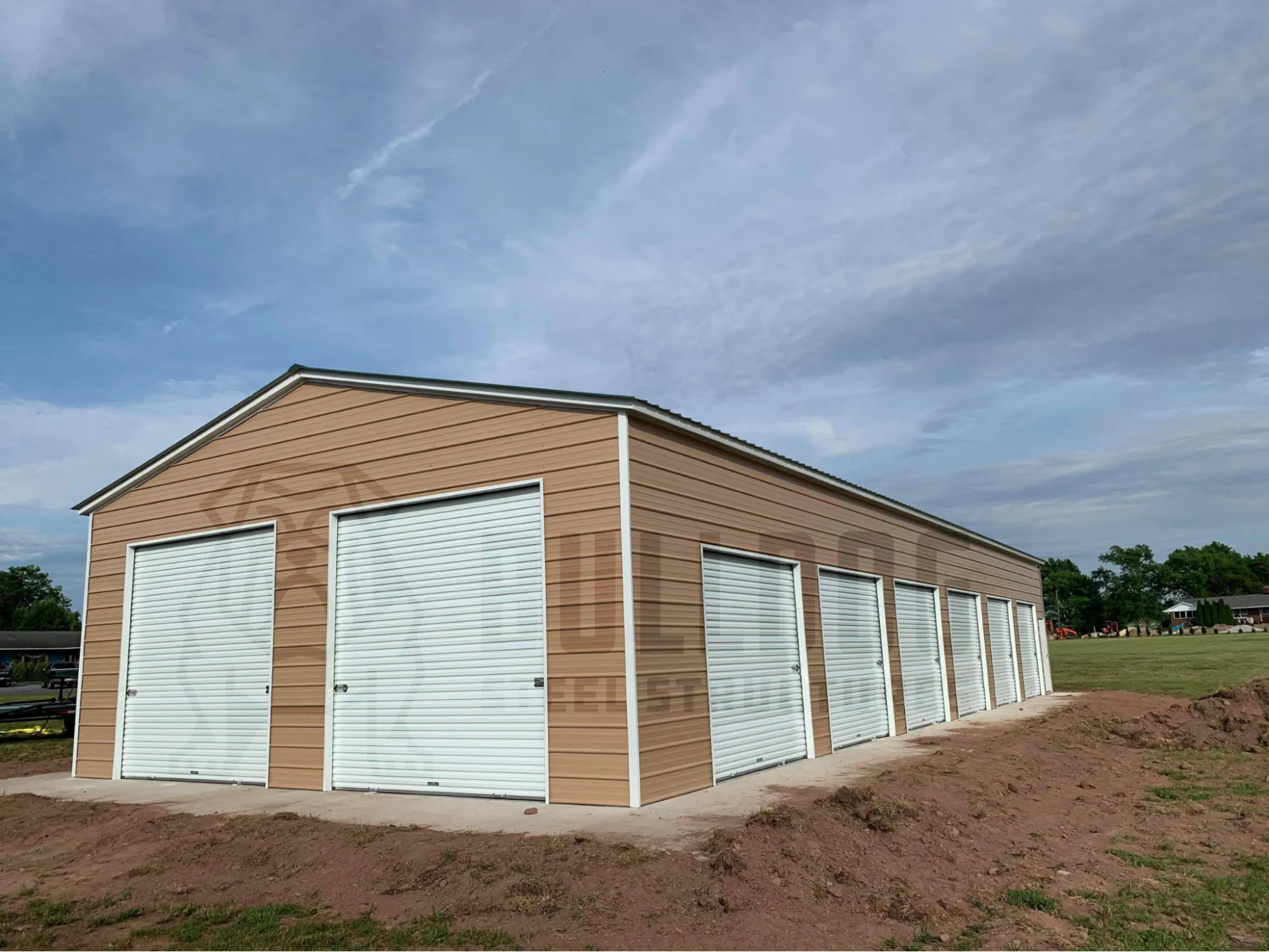
By Bulldog Steel Structures • Updated May 2026
If you’re planning a new garage and trying to decide between Metal vs Wood Garage Comparison, you’re choosing between two very different long-term investments. Wood is the traditional default — familiar, attractive, and what most older garages were built from. Metal is the newer option that’s grown rapidly in popularity, particularly over the last 20 years.
The honest answer to which is better depends on your priorities. If you care most about traditional aesthetic and you’re comfortable with ongoing maintenance, wood can still make sense. If you care about long-term value, low maintenance, and durability, metal usually wins.
This 2026 guide breaks down the real differences between metal and wood garages across the five factors that matter most: insulation, maintenance, durability, aesthetics, and weather resistance. No marketing spin — just the practical trade-offs so you can decide what’s right for your property.
Metal Garage vs Wood Garage: Side-by-Side Comparison
Before we go deep on each factor, here’s how the two compare across what matters most:
|
Factor |
Metal Garage |
Wood Garage |
|
Typical lifespan |
50+ years |
25-40 years with maintenance |
|
Maintenance need |
Minimal (rinse, inspect) |
Significant (paint, repair, pest) |
|
Termite/pest risk |
None |
High (ongoing concern) |
|
Rot risk |
None |
Moderate to high |
|
Fire resistance |
Steel doesn’t burn |
Highly flammable |
|
Construction time |
Days to weeks |
Weeks to months |
|
Customization |
Many sizes, gauges, doors, colors |
Highly customizable (more design freedom) |
|
Insulation options |
Add insulation; metal conducts temp |
Wood has natural insulation properties |
|
Aesthetic appeal |
Modern, industrial, customizable colors |
Traditional, warm, classic |
|
Weather durability |
Excellent (engineered for wind/snow) |
Moderate (vulnerable to long-term wear) |
|
Insurance rates |
Often lower (fire-resistant) |
Often higher |
|
HOA acceptance |
Sometimes restricted |
Generally accepted |
|
Resale value |
Strong, especially in rural areas |
Mixed; depends on quality and age |
|
Upfront cost |
Moderate |
Often slightly higher |
|
Lifetime cost |
Lower (less maintenance) |
Higher (repairs + replacement) |
Wood wins on traditional aesthetic and natural insulation. Metal wins on nearly everything else, especially when you look at the full ownership timeline.
Insulation: How Each Material Handles Temperature
If you’re going to use your garage as a workshop, store temperature-sensitive items, or heat and cool the space, insulation matters. Here’s the honest comparison.
Wood Garage Insulation
Wood has natural insulating properties — about R-1 per inch of thickness for solid wood, which is much better than bare metal. This is wood’s biggest legitimate advantage over metal. A traditionally built wood garage with insulated walls and a finished interior holds temperature reasonably well even with basic construction.
That said, the natural insulation of wood walls alone isn’t enough for a true climate-controlled garage. You’ll still need to add proper insulation between the studs to make a wood garage genuinely energy-efficient. So the natural advantage is real, but it’s a smaller factor than wood-garage marketers often suggest.
Metal Garage Insulation
Bare metal conducts heat and cold readily — this is the legitimate criticism of uninsulated metal buildings. However, modern metal garages are typically designed with insulation packages that more than match insulated wood garages. Common metal-garage insulation options include:
- Spray foam insulation (highest R-value per inch, also seals air leaks)
- Batt insulation between framing
- Insulated metal panels (sandwich panels with rigid foam core)
- Radiant barrier (reflects heat in hot climates)
When properly insulated, a metal garage actually outperforms most wood garages on energy efficiency because the tight building envelope eliminates air leaks. Modern metal-garage construction often achieves better real-world thermal performance than traditional wood-frame construction.
Bottom Line on Insulation
Wood has a slight natural advantage. Insulated metal beats uninsulated wood. Properly insulated metal usually matches or beats insulated wood, with the added benefit of a tighter air seal. If you’ll insulate either way, this factor probably won’t decide your choice.
Maintenance: How Much Work Each Garage Requires
This is where metal wins most decisively. Wood garages need ongoing attention; metal garages don’t.
Wood Garage Maintenance
Wood garages require regular maintenance to stay in good condition. The exterior needs repainting or restaining every 5-7 years to protect against weather damage. Wooden siding is vulnerable to rot, especially at the base where it meets the ground, around windows where water can pool, and on the north side where shade keeps moisture from evaporating.
You’ll also need to handle pest control: termites, carpenter ants, and other wood-boring insects can cause expensive damage if not addressed. Major storms can damage siding, roofing, and trim that requires repair. Over 20-30 years, the cumulative cost of maintenance — paint, pest control, repairs after storms, eventual siding replacement — adds up significantly.
Metal Garage Maintenance
Metal garages require very little ongoing maintenance. Annual tasks typically include rinsing the exterior with water to remove dirt and pollen, checking and clearing gutters, and inspecting seals and trim. Modern paint coatings on quality metal panels resist fading and chalking for 20-40 years with no repainting needed.
If a panel gets damaged in a hailstorm or accident, it can usually be replaced individually rather than requiring extensive repair work. No pest treatment is needed because there’s nothing for termites or carpenter ants to attack. No rot treatment because steel doesn’t rot.
Bottom Line on Maintenance
Over a 30-year ownership horizon, the maintenance cost difference between wood and metal garages is significant — often thousands of dollars in saved paint, pest control, and repair work. For homeowners who don’t want their garage to become an ongoing project, metal wins clearly.
Durability and Lifespan
How long will your garage last, and how well will it hold up over that lifespan?
Wood Garage Lifespan
A well-built and well-maintained wood garage typically lasts 25-40 years. The shorter end of that range applies to garages that don’t get regular maintenance or those built in harsh climates. The longer end requires committed upkeep — repainting on schedule, pest control, repair after storms, and replacing damaged siding when needed.
Common reasons wood garages need major work or replacement before that 40-year mark: rot at the foundation, termite damage that compromises framing, storm damage to siding and roofing, and accumulated weather wear that makes repair more expensive than replacement.
Metal Garage Lifespan
A quality metal garage typically lasts 50 years or more with minimal maintenance. Steel framing doesn’t rot, warp, or attract pests. Modern panel coatings resist rust and fading for decades, and most quality metal garages come with multi-decade warranties on both the structure (often 20+ years) and the panels (often 25-40 years).
Metal garages also handle severe weather better. They can be engineered to specific wind-load and snow-load ratings, and steel doesn’t crack or rot when stressed by temperature changes the way wood can. In tornado, hurricane, and heavy-snow regions, properly engineered metal garages consistently outperform wood-frame construction.
A Note on the Corrosion Concern
Wood-garage advocates sometimes claim metal garages rust out quickly. Modern panel coatings have largely solved this problem. Quality metal garages come with rust-through warranties of 20+ years, and well-maintained metal buildings routinely last 50-100 years with no significant rust. Coastal and very humid environments can accelerate corrosion, but rust-resistant coatings and proper maintenance address this concern.
Aesthetic Value: Looks Matter Too
This is the one category where wood has a legitimate edge for many buyers — though it depends entirely on what look you want.
Wood Garage Aesthetics
Wood garages offer a warm, traditional look that fits beautifully with classic and farmhouse-style homes, historic districts, and properties with established landscaping. The natural texture of wood siding, the option to choose specific stains and paints, and the way wood ages over time give it a hand-crafted appeal that’s hard to replicate.
If you live in a historic district, an HOA that requires specific exterior materials, or your home has a classic architectural style you want to match, wood may be the better choice for visual reasons alone.
Metal Garage Aesthetics
Metal garages have come a long way aesthetically. Modern metal garages come in dozens of colors, multiple roof styles (regular, A-frame, vertical), with trim options, wainscoting (two-tone walls), gable ends, overhangs, and color-matched doors and windows. You can achieve a clean modern look, an industrial look, or a more traditional look depending on your color and trim choices.
Newer specialty finishes — wood-grain panels, brushed metal, and textured coatings — let metal garages mimic the look of wood, stone, or premium materials without the maintenance. A well-designed metal garage can look just as polished as a wood one, just in a different style.
Bottom Line on Aesthetics
If you want a traditional, hand-crafted look that ages organically, wood wins. If you want a modern, clean, customizable look with dozens of color options, metal wins. Most modern homes look great with either — the choice comes down to personal preference and your home’s architectural style.
Weather Resistance
All buildings eventually face weather — sun, rain, wind, snow, hail, and the occasional severe storm. How each material holds up matters for both safety and long-term cost.
Wood Garages and Weather
Wood is vulnerable to a wide range of weather threats. UV exposure breaks down paint and stain over years, requiring repainting. Moisture causes rot and creates conditions for mold. Termites and carpenter ants thrive on wood. Strong winds can damage siding, roofing, and trim. Hail can crack and break shingles, and wood roofing requires shingle replacement every 15-25 years.
Routine upkeep, pest control, repainting, and roof shingle replacement are all ongoing costs for wood garages. Homeowners often plan these as predictable maintenance line items.
Metal Garages and Weather
Metal garages handle weather better across the board. Steel doesn’t burn, repel termites and other pests, and modern coatings resist UV and rust for decades. Metal roofs typically don’t need shingle replacement — most are designed for the life of the building. Hail can dent metal panels, but it rarely causes the functional damage it does to wood shingle roofs.
In severe weather, properly engineered metal garages also outperform wood. Engineering to specific wind-load and snow-load ratings means a metal garage is sized for the conditions in your region. Steel is fire-resistant, which is a significant factor in wildfire-prone areas and a reason insurance companies often offer lower rates on metal buildings.
Insurance Implications
Insurers generally view metal buildings favorably and may offer lower premiums than for wood structures. This isn’t a guarantee — talk to your insurance agent — but it’s worth checking. Fire resistance, pest immunity, and weather durability all factor into how insurers price coverage.
When Does Wood Make More Sense?
In the interest of giving you the honest answer rather than just selling metal, here are situations where a wood garage may be the better choice:
- Historic districts: If your local code or HOA requires wood or wood-look construction to match the neighborhood, you may have no choice.
- Specific traditional aesthetic: If matching an older home’s classic look matters more to you than maintenance or lifespan, wood delivers a look metal can approximate but not fully replicate.
- Custom architectural designs: If you want highly custom shapes, dormers, or unique architectural details, wood is more flexible than prefabricated metal kits.
- DIY with available lumber: If you’re an experienced builder with access to inexpensive lumber, the DIY savings on a wood garage can be significant. Metal garage kits are designed for professional installation.
For most modern garage builds — residential, commercial, agricultural, or workshop — metal is the smarter long-term choice. But wood has legitimate use cases, and an honest comparison acknowledges them.
Comparing Costs Over Time
Upfront cost is what most people compare when shopping for a garage, but it’s only part of the picture. The honest comparison includes total cost of ownership over the building’s lifetime.
Upfront Cost
Wood garages and metal garages have come closer on upfront cost over the past 10 years. Metal manufacturing has become more efficient, while lumber and skilled labor costs have risen. For most standard garage sizes, the upfront cost difference today is usually smaller than people expect — and in many cases, metal is actually cheaper upfront when you factor in installation time and labor.
Lifetime Cost
Lifetime cost is where metal wins decisively. Add up the cost of repainting a wood garage every 5-7 years, pest control, storm repair, shingle replacement, and eventual rebuilding or major renovation, and the 30-year ownership cost of a wood garage is typically significantly higher than a metal garage.
Insurance Cost
As mentioned earlier, metal garages often qualify for lower insurance premiums due to fire resistance and weather durability. Over 30 years of ownership, this premium difference can be substantial.
Resale Value
In rural areas, agricultural properties, and modern residential markets, metal garages now hold their value as well as or better than wood. In historic neighborhoods or markets where traditional aesthetics dominate, wood may still have an edge for resale.
Financing
One advantage that’s significantly narrowed the cost gap is rent-to-own and financing programs for metal garages. These programs let you get a quality metal garage with low or no upfront cost — and they don’t typically exist for custom wood-built garages, which usually require traditional bank financing or cash upfront.
Frequently Asked Questions
Is a metal garage better than a wood garage?
For most buyers, yes — a metal garage is the better long-term choice. Metal garages last longer (50+ years vs 25-40 for wood), need significantly less maintenance, resist termites, rot, and fire, and often have lower lifetime costs. Wood garages still make sense for historic districts, specific traditional aesthetics, custom architectural designs, or DIY builds with available lumber.
Are metal garages cheaper than wood garages?
Upfront, the cost gap between metal and wood garages has narrowed significantly in recent years — for most standard sizes, metal is now competitive or cheaper upfront. Over the building’s lifetime (including maintenance, repairs, repainting, pest control, and insurance), metal garages are almost always less expensive. Rent-to-own programs for metal garages also reduce the upfront cost barrier compared to wood.
How long do metal garages last compared to wood?
A quality metal garage typically lasts 50 years or more with minimal maintenance. A well-built and maintained wood garage typically lasts 25-40 years, with the upper end requiring committed maintenance. Over a 50-year ownership horizon, metal garages outlast wood significantly, which is a major factor in their better lifetime value.
Do metal garages get too hot or cold?
Bare uninsulated metal does conduct heat and cold, but modern insulated metal garages perform very well thermally — often better than uninsulated or poorly insulated wood garages. Insulation options like spray foam, batt insulation, or insulated metal panels combined with proper ventilation give you a metal garage that’s comfortable year-round in most climates.
Are metal garages safer than wood garages?
Generally, yes. Metal garages are fire-resistant (steel doesn’t burn), don’t attract termites or carpenter ants, hold up better to severe weather, and don’t develop the rot or structural issues that can compromise older wood garages. Insurance companies typically rate metal garages as lower risk, often resulting in lower premiums.
Do metal garages look as good as wood garages?
This depends on your aesthetic preference. Wood garages have a traditional, warm look that fits classic architectural styles. Modern metal garages come in dozens of colors and styles — and specialty finishes can mimic wood grain or other materials. Both can look great; the choice usually comes down to whether you prefer traditional or modern aesthetics.
How long does it take to build a metal vs wood garage?
Metal garages go up dramatically faster. After delivery of a prefabricated metal garage kit, professional installation typically takes 1-3 days for residential sizes. A comparable wood garage built on-site typically takes 6-12 weeks. The full timeline from order to finished metal garage is usually 3-8 weeks, vs 3-6 months for a custom wood build.
Can I insulate a metal garage as well as a wood garage?
Yes — often better. Modern metal garages can be fully insulated with spray foam, batt insulation, or insulated metal panels. Combined with the tight air seal of metal construction, an insulated metal garage typically outperforms an insulated wood garage on real-world thermal performance, especially in extreme temperatures.
Do termites affect metal garages?
No — termites and other wood-boring pests have nothing to attack in a metal garage. Steel doesn’t feed termites, carpenter ants, or any other pests. This eliminates one of the most expensive ongoing maintenance issues that wood garage owners face.
Can I get a metal garage with no credit check?
Yes, rent-to-own programs let you get a metal garage with no credit check. You make a small first-month payment, take delivery, and pay monthly until you own it. This makes metal garages accessible to buyers with limited or poor credit — a financing option that typically isn’t available for custom wood-built garages.
The Bottom Line
If you’re choosing between a metal garage and a wood garage in 2026, the practical math usually favors metal. Longer lifespan, lower maintenance, better pest and fire resistance, faster construction, and lower lifetime costs make metal the smarter long-term investment for most buyers.
Wood still has its place — for historic districts, specific traditional aesthetics, custom architectural designs, or experienced DIY builders. But for the typical homeowner, business owner, or rural property owner building a garage they want to last for decades with minimal ongoing work, metal is almost always the better call.
At Bulldog Steel Structures, we offer a full range of metal garages in sizes from small single-car structures to large multi-vehicle commercial buildings. We also offer financing and rent-to-own programs with no credit check to make a quality metal garage affordable for any budget.
Have questions or want to talk through your specific build? Contact us today and our team will help you find the right garage for your property, budget, and use case.
|
Get Your Free Metal Garage Quote Custom sizes, professional installation, financing and rent-to-own options available. No commitment, no pressure. |
delivering & installing
throughout
the united states
Bulldog’s metal barns, garages, and carports are available for delivery and installation in most of the U.S. Whether you’re a homeowner in Maine, a rancher in Texas, or a small business owner in California, you’ll get to-your-door delivery and professional installation, so your building will be sturdy and reliable for years to come.
See Service Area